Introduction
For a UK team, the CPF (Brazil's individual taxpayer ID) is easiest to understand as Brazil's version of the National Insurance number: a lifelong personal number that ties someone to tax, work and financial services. The comparison stops there. A CPF is issued by the tax authority, is asked for at almost every Brazilian checkout and is printed on identity documents, while a National Insurance number is shared only when needed. That difference changes how you collect and verify it.
This guide compares the two numbers and explains what a UK company should do differently when onboarding Brazilian customers.
The UK National Insurance number
According to GOV.UK, a National Insurance number is made up of 2 letters, 6 numbers and a final letter (for example QQ123456B), and it stays the same for life. It is used by HMRC, employers and the Department for Work and Pensions, and it may be requested by pension providers, ISA providers and other financial services.
GOV.UK also advises people not to share it with anyone who does not need it, to prevent identity fraud. HMRC's internal manual describes the format rules: restricted prefix letters and a suffix that is always A, B, C or D.
People who come to the UK to work apply for a number, so holders are not only UK nationals.
The Brazilian CPF
The CPF (Cadastro de Pessoas Físicas) is the individual registry of the Receita Federal (Brazil's federal tax authority). Every registered person has one number for life.
- Format: 11 digits, written as
000.000.000-00. The last two digits are check digits calculated from the first nine. - Use: bank accounts, Pix transfers, phone lines, leases, employment, invoices and online purchases all ask for it.
- Documents: it is printed on the driver's license (CNH), and Brazil's new national identity card uses the CPF as its number.
- Foreigners: anyone with tax, banking or property ties to Brazil can register for a CPF.
More background in What Is a Brazilian CPF?
Side by side
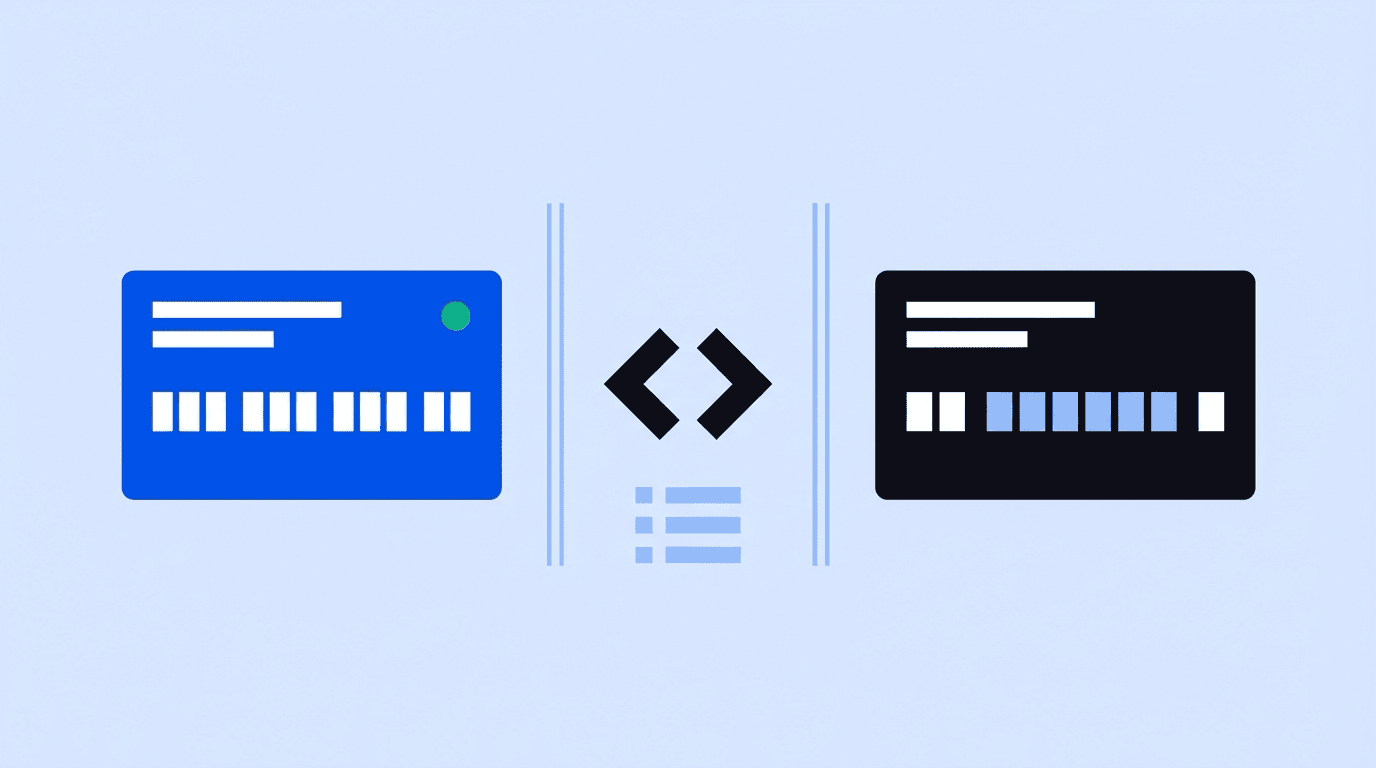
The two numbers are not equivalent. Here is where they differ:
| CPF (Brazil) | National Insurance number (UK) | |
|---|---|---|
| Issued by | Receita Federal (tax authority) | HMRC and DWP |
| Format | 11 digits | 2 letters, 6 digits, 1 letter |
| Check digits | Yes, the last 2 | No, the final letter is a suffix from A to D |
| Main purpose | Tax registry used as a general identifier | Tax and National Insurance contributions, benefits |
| How often people share it | At checkout, at signup, on invoices | Only with employers, HMRC and some financial providers |
| On ID documents | Yes, on the CNH and the new national identity card | Not on the passport or driving licence |
| Used in payments | Yes, the CPF is a common Pix key | No |
| Company equivalent | CNPJ (Brazil's company taxpayer ID) | Company registration number and UTR |
What changes for a UK company onboarding Brazilians
1. Asking for the CPF is normal
A UK user might hesitate to type their National Insurance number into a retail signup form. A Brazilian user expects to type their CPF almost everywhere, so asking for it at signup does not add friction.
2. Knowing the CPF proves almost nothing
Because the CPF is shared so widely, fraudsters often have real CPFs with matching names. A number that passes the check digit algorithm, or even one that exists, is not proof of identity. What helps is checking that the CPF exists and that the name and date of birth the user typed match the registry.
3. Verification works differently from UK checks
UK identity checks often lean on credit reference data, electoral roll data and documents, following guidance such as the government's identity proofing and verification standard. In Brazil, the starting point is the CPF itself:
- CPF lookup: does the CPF exist, and do the name and date of birth match?
- Registration status: is the CPF regular at the Receita Federal, and is the holder alive?
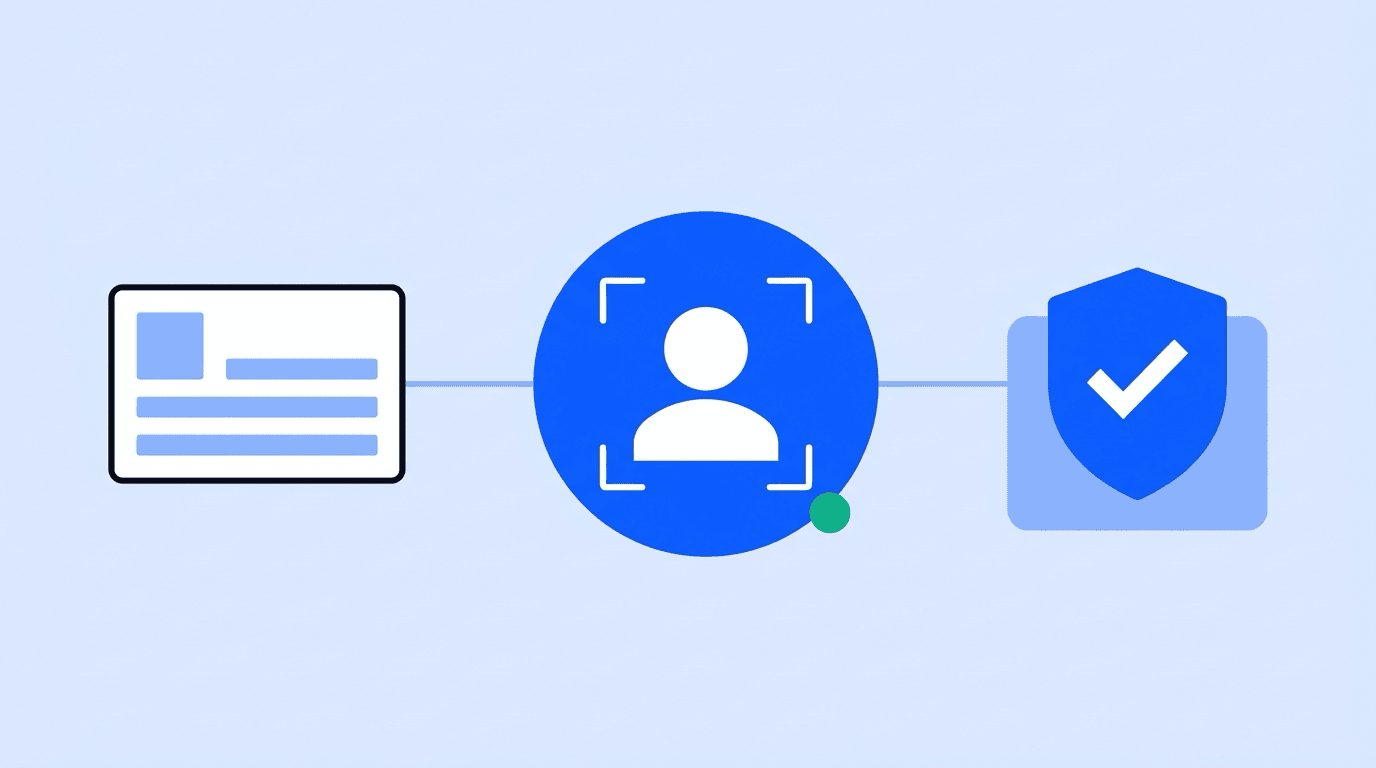
- Document and selfie: for higher-risk flows, does the user hold a real Brazilian document and match its photo?
If your regulated UK business onboards Brazilian residents, your customer due diligence duties under the Money Laundering Regulations 2017 still apply. The Brazilian checks are how you gather the evidence for that customer.
How to verify a CPF
With CPFHub.io, the Simple Lookup is one GET request from your backend. It returns the holder's name, gender and date of birth:
curl --max-time 10 \
  -H "x-api-key: YOUR_API_KEY" \
  -H "Accept: application/json" \
  https://api.cpfhub.io/cpf/00000000000
{
  "success": true,
  "data": {
    "cpf": "00000000000",
    "name": "Fulano de Tal",
    "nameUpper": "FULANO DE TAL",
    "gender": "M",
    "birthDate": "15/06/1990",
    "day": 15,
    "month": 6,
    "year": 1990
  }
}
Note the date format: Brazil writes dates as DD/MM/YYYY, like the UK, so 15/06/1990 is 15 June 1990. A CPF that is not found returns 404 and does not use a credit.
When the risk calls for it, the Real-Time Lookup returns the CPF's registration status at the Receita Federal, the year of death when there is one, and the proof issued by the Receita Federal. It takes the CPF and the holder's date of birth. For document and selfie checks, see Identity Verification.
The step-by-step flow, with code, is in How to Verify a Brazilian CPF Number.
Frequently asked questions
Is the CPF the Brazilian National Insurance number?
It is the closest equivalent, since both are lifelong personal numbers tied to tax and work. They are not the same: the CPF is issued by the tax authority, has check digits, appears on ID documents and is shared far more widely.
Do Brazilians have a separate social security number?
Brazilian workers also have registrations with the social security system, but the CPF is the number companies ask for and the key that ties a person to banks, payments and documents. For onboarding, collect and verify the CPF.
Can a UK resident have a CPF?
Yes. Foreigners with tax, banking or property ties to Brazil can register for a CPF, including through Brazilian consulates. A CPF holder is not always a Brazilian citizen or resident.
Does the UK GDPR or the LGPD apply to Brazilian customer data?
Possibly both. The LGPD, Brazil's data protection law, applies to processing data of people in Brazil wherever the company is based, and UK data protection law applies to UK organizations. See LGPD for Foreign Companies.
Read also
- What Is a Brazilian CPF? A Guide for Foreign Companies
- How to Verify a Brazilian CPF Number
- LGPD for Foreign Companies Processing Brazilian Personal Data
- CPF vs CNPJ: Brazil's Individual and Company Tax IDs Explained
Conclusion
The CPF and the National Insurance number are both lifelong personal numbers, but the CPF is far more public. That is why Brazilian onboarding does not trust the number alone: it checks that the CPF exists, that the name and date of birth match, and, for higher-risk flows, that the user holds a real document.
Verify Brazilian customers with 50 free credits and no credit card at cpfhub.io.
CPFHub.io
Ready to integrate the API?
50 free credits to test now. No credit card. Instant access to the documentation.